Showing posts with label God. Show all posts

Sunday, January 1, 2012

Knowledge and Wisdom Part 2 : The Emptiness of Human Wisdom


Photo by Aldrin Muya
   All of us want to be wise. Having an education, being able to make the right decisions, and being able to solve problems does make us wiser and may improve our quality of life. However be aware that though it has value, human wisdom does not bring lasting happiness nor answer the meaning of life as we expect. It is very much like chasing after the wind. This was the grim conclusion of a man who endeavored to acquire wisdom and understanding in this world :

For in much wisdom is much vexation, and he who increases knowledge increases sorrow.

- Ecclesiastes 1:18 (ESV)

   The irony is the more you know, the more you will ache. For you will see that human progress and advancement is both a blessing and a curse. Even if everyone in this world were smart, hate, prejudice, adultery, murder, deceit, and many other evils will never be eradicated because human wisdom is powerless to transform the heart of man that is by nature morally corrupt.

    There are people who put their faith solely in their education and knowledge.They put their hope and trust in being raised well by their parents, attending good schools, receiving high marks, and getting a diploma but in the end, what does that really gain? This same wise man also said,

The wise person has his eyes in his head, but the fool walks in darkness. And yet I perceived that the same event happens to all of them. Then I said in my heart,“What happens to the fool will happen to me also. Why then have I been so very wise?” And I said in my heart that this also is vanity. For of the wise as of the fool there is no enduring remembrance, seeing that in the days to come all will have been long forgotten. How the wise dies just like the fool!

-Ecclesiastes 2:14-16 (ESV)

The fate of the fool and the wise is the same, hence human wisdom - this wisdom apart from God - is ultimately empty. This does not mean that we should abandon wisdom altogether. Rather, there is the right wisdom that we ought to recognize and embrace.

The beginning of wisdom is this: Get wisdom, and whatever you get, get insight.

-Proverbs 4:7 (ESV)

What we need to get is transcendent wisdom and insight. This is not man-made understanding. This wisdom comes from the all-wise, and all-knowing God.

Your commandment makes me wiser than my enemies, for it is ever with me. I have more understanding than all my teachers, for your testimonies are my meditation. I understand more than the aged, for I keep your precepts.


- Psalm 119:98-100 (ESV)


The fear of the LORD is the beginning of knowledge; fools despise wisdom and instruction.

-Proverbs 1:7 (ESV)

I've written previously that to fear the Lord is NOT to be filled with terror, despair, and dread before him. This kind of fear drives us away from God. Godly fear is best described as "reverence". It is the convergence of awe, adoration, veneration, wonder, honor, worship, confidence, and thankfulness that arises from recognizing God for who he is. It is an acknowledgment of his transcendent qualities, his absolute authority, and his supreme value. David Legge says,

It is a deep-seated humility, humble, poor of spirit, grounded upon an abiding awareness - totally in your mind and in your heart at all times is an awareness of absolute dependence for your very existence on, not just God, but the undeserved mercy of God. And only a heart like that, full of humility and dependence, is prepared to perceive and receive the wisdom that God gives!

    The fool is the one who in his pride, has no fear of God, rejects God, and despises God's wisdom and instruction. The fool trusts in his self-sufficiency, self-effort, and self-experience. He relies, according to John Piper, on the "wisdom of the world": the use of the human mind to achieve and maintain a ground for boasting before God and man. He may be wise and understanding in his own eyes and in the eyes of others yet he does not really see.  

The fool says in his heart, “There is no God.” They are corrupt, doing abominable iniquity; there is none who does good. God looks down from heaven on the children of man to see if there are any who understand, who seek after God.

-Psalm 53:1-2 (ESV)


Have you invested your life in the pursuit of human wisdom? Realize that it is a vain and empty quest, like chasing after the wind. Listen to the cry of another wise man :

The words of Agur son of Jakeh. The oracle.

The man declares, I am weary, O God;
    I am weary, O God, and worn out.

Surely, I am too stupid to be a man.
    I have not the understanding of a man.

I have not learned wisdom, nor have I knowledge of the Holy One.

Who has ascended to heaven and come down?
    Who has gathered the wind in his fists?

Who has wrapped up the waters in a garment?
    Who has established all the ends of the earth?

What is his name, and what is his son's name?
    Surely you know!

-Proverbs 30:1-4 9( ESV)

True wisdom begins with the knowledge of the Holy God who is all-wise and all-knowing. Divine wisdom can only be ours when we become humble, acknowledge our littleness, recognize the limits of our self-wisdom and understanding, and be willing to have our minds turned upside down.

More next time...

Saturday, December 24, 2011

God Gave The Greatest Gift of All!

    "For God so loved the world that he gave his one and only Son" (John 3:16). This is arguably the most well-known verse in the Bible. These few words capture the reason why the events that we now remember and commemorate during Christmas happened. Yet it is also misunderstood by many. Now God loves you and me, that part is clear. What we may fail to grasp is the condition of the object of his love. Indeed, those who do not understand this nor accept this will find no reason to believe in Jesus Christ.

   DA Carson explains,

What is God saying to the world? "World, I love you"? Is he saying, "World, your scintillating personality, your intelligent conversation, your wit, your gift - and you're cute! I love you! I can't imagine heaven without you." Is that what he's saying? In other words, when God says, "I love you," is he declaring the loveable-ness of the world? There are a lot of psychologists who use the love of God in exactly that way. If God says, "I love you," it must be that "I'm okay, you're okay; God says we're okay. He loves us; it must be because we're lovable."

Biblically that is a load of nonsense. The word "world" in John's gospel typically refers not to a big place with a lot of people in it but to a bad place with a lot of bad people in it. The word "world" in John's gospel is this human-centered, created order that God has made and that has rebelled against him in hatefulness and idolatry, resulting in broken relationships, infidelity, and wickedness. 
   -DA Carson (The God Who Is There)

    People who live in this world can never be categorized as naughty or nice. Left to itself, the world is by nature, morally bankrupt. John McArthur said,

The dark and ugly side of Christmas is sin...sin. The heart of Christmas is this, Christ came into the world to save sinners. Christ was manifest to take away sin. "You shall call His name Jesus for He shall save His people from their sin." And the real beauty of Christmas is to understand the ugliness that it cures.

    God loved this world not because it was lovable, adorable, and beautiful, but because he is that kind of God. God is holy, meaning, he is morally perfect. Think then about how this morally perfect Being would love. To love perfectly is to love the most unlovable of creatures who "did not honor him as God or give thanks to him, but they became futile in their thinking, and their foolish hearts were darkened" (Romans 1:21). That's us. He demonstrates his love to us by giving his Son, who through his death on the cross and his resurrection, made the way to save us from eternal wrath and reconcile us to God.

    Christmas is the favorite holiday for many because of the decorations, gifts, food, Christmas lights, Christmas trees, family gatherings, and merriment but these are all fleeting pleasures. For the greatest and most excellent pleasure that we can experience this Christmas is being astonished at the fact that God would actually love us! God did not condemn us with our sin but loved us in a wonderful, surprising way by giving us His Son - the greatest Gift of all.

Sunday, December 11, 2011

From Here To Eternity

    It seems like the first 40 years of my life went by so fast. I have now lived half of my expected average lifespan here on earth. This body is aging. Noticeable wisps of white hair, eyes not as good as they once were, and slowing reflexes are among the many signs of normal bodily wear and tear.


    Getting older should be put in a more positive light. After all, God designed our bodies this way. Aging is a gentle reminder from God that life in this earth is temporal. Man is like a mist that appears for a little while and vanishes (James 4:14). In our youth, we lived as though life would go on forever. By middle age, we have an increased awareness of our mortality thus leading us to take stock of what we have accomplished, what we still need to do, and what needs fixing.


    Even more significantly, aging forces us to think about eternity. A very wise man said,
Fear God and keep his commandments for this is the whole duty of man. For God will bring every deed into judgment, with every secret thing, whether good or evil.
-Ecclesiastes 12:14 (ESV)


    All human beings will account for their thoughts, words, and deeds in judgment before God. The final judgment is something that we do not like to think about, let alone think about everyday. It's an uncomfortable subject and a depressing topic of conversation. Yet Scripture says unambiguously that it will happen. For it is appointed for man to die once, and after that comes judgment (Hebrews 9:27) and for each man, there will either be acquittal or condemnation.


He will render to each one according to his works: to those who by patience in well-doing seek for glory and honor and immortality, he will give eternal life; but for those who are self-seeking and do not obey the truth, but obey unrighteousness, there will be wrath and fury. There will be tribulation and distress for every human being who does evil, the Jew first and also the Greek, but glory and honor and peace for everyone who does good, the Jew first and also the Greek. For God shows no partiality.
-Romans 2:6-11 (ESV)

    Yes, we are saved by grace through faith (Ephesians 2:8-9) but in the final judgment it is our deeds that will be judged. Our deeds will testify to the reality of our faith in Jesus Christ. Pastor John Piper clarifies,
It is by grace we are saved through faith; not of ourselves, it is the gift of God. But the heart that is full of faith will overflow in attitudes and actions very different from those which flow from unbelief. Therefore, our deeds will testify, truly to the genuineness or absence of faith, and it is not inconsistent for God to judge us according to our works. But we must understand that this judgment according to works does not mean we earn our salvation. Our deeds do not earn, they exhibit our salvation. Our deeds are not the merit of our righteousness, they are the mark of our new life in Christ. Our deeds are not sufficient to deserve God's favor, but they do demonstrate our faith. Please keep that distinction clear in your mind regarding our attitudes and actions: they do not earn, they exhibit; they do not merit, they mark; they do not deserve, they demonstrate.
All the self-seeking deeds and striving that we do : our accomplishments, our successes, our diplomas, our wealth are worthless in eternity - they do not earn us anything except death. Only the deeds that are the fruits of faith in Jesus Christ will matter.

    If there was no final judment awaiting us, there would be no need for Jesus to come, die on the cross, and be raised to life. Hence, no Christmas and no Easter. It is through the work of Jesus Christ that we are saved from wrath and fury in the final judgment. That is why Jesus came into the world in human flesh because we were sinners in need of saving from certain eternal death and we could not save ourselves.

There is therefore now no condemnation for those who are in Christ Jesus. For the law of the Spirit of lifehas set you free in Christ Jesus from the law of sin and death. For God has done what the law,weakened by the flesh,could not do. By sending his own Son in the likeness of sinful flesh and for sin, he condemned sin in the flesh, in order that the righteous requirement of the law might be fulfilled in us who walk not according to the flesh but according to the Spirit.
 -Romans 8:1-4 (ESV)

  So as this body becomes creaky with age, each ache and pain is a reminder of a judgment that's in store for us. Let's strive make the rest of our life count for eternity. As long as you're still alive and breathing, it's not too late.
The Lord is not slow to fulfill his promise as some count slowness, but is patient toward you, not wishing that any should perish, but that all should reach repentance.

-2 Peter 3:9 (ESV)

    The final judgment is nothing to fear about when you are in Jesus Christ. Do you know Jesus Christ? Respond in faith and repentance by acknowledging your helplessness and believe that Jesus Christ is Lord and that he will wash away your sins and make you right with God. Work out this faith that you profess by living in the power of the Holy Spirit, loving God and loving others, doing good, having the right mind and attitude, and finding satisfaction and pleasure in God.

Tuesday, November 8, 2011

Repentance is for Christians Too

    Repentance (metanoia) means "change of mind". This change is more radical than we think. Charles Spurgeon describes, "It is an entire and total change of mind, a turning of the mind right round, so that it hates what once it loved and loves what once it hated—it forms different judgments from what it always did before—and no longer puts bitter for sweet, and sweet for bitter, darkness for light and light for darkness."

    Yet the act of repentance is misunderstood today. It's helpful to point out false forms of repentance and what true repentance is according to the Bible. You'll find that the phony kind of repentance is tolerated and even accepted by many people today. Now both John the Baptist (Matthew 3:2) and Jesus (Matthew 4:17) preached repentance saying, "Repent for the kingdom of God is at hand." Jesus also warned, "But unless you repent, you too will all perish (Luke 13:3)." Thus if repentance is a condition for belonging in the kingdom and if the eternal destiny of an individual hinges on it, then it is critical to understand what it really means.
   
WHAT IT IS NOT

1. Repentance and regret are not the same. Repentance does involve a feeling of regret but repentance is linked to moral deficiency while regret is not. For example, God regrets that he made Saul king (1 Samuel 15:10-11) but David repents of his adultery with Bathsheba (2 Samuel 11).

2. Repentance is not being sorry for sin because of the consequences that it brings to us. For example, King Saul repents from disobeying God hoping that his repentance can change God's mind about removing him from as king (1 Samuel 15). Neither is repentance feeling sorry because you got caught or that you failed to live up to your expectations.

 3. Repentance is not self-pity nor making excuses. When people make mistakes, they often admit that they're not perfect- thinking that it excuses their behavior. While it is true that no one is perfect, no sin is ever excusable to the God who is holy and perfect. Other excuses that people bring up instead of truly being broken and repentant over sin:

"I was just being honest."
"I'm just saying what I feel."
"I was only kidding."
"I misunderstood you."
"I didn't mean to do it."
"I'm having a bad day."

4. Repentance is not the atonement for sin. Penance and self-flagellation are forms of self-righteousness and that has never saved anybody. Displaying your misery does not earn the forgiveness of sins. Only the blood of Christ is the sacrifice of atonement that takes away God's wrath on us (Romans 3:25-26).

WHAT IT IS (List is excerpted from "The Gospel Powered Life")

1. Repentance is oriented towards God, not me.

King David realized that he had ultimately offended God with his sin. So he writes, "Against you, you only, have I sinned and done what is evil in your sight (Psalm 51:4)..."

2. Repentance is motivated by true godly sorrow and not just selfish regret.
For godly grief produces a repentance that leads to salvation without regret, whereas worldly grief produces death.
- 2 Corinthians 7:10 (ESV)

3. Repentance is concerned with the heart, not just external actions.

"Create in me a clean heart, O God, and renew a right spirit within me."
-Psalm 51:10 (ESV)

4. Repentance looks to Jesus for deliverance from the penalty and power of sin.

"Repent therefore, and turn again, that your sins may be blotted out, that times of refreshing may come from the presence of the Lord, and that he may send the Christ appointed for you, Jesus"
-Acts 3:19-20 (ESV)

   Now repentance isn't just a one time act that occurs when we receive Jesus Christ in faith. Repentance is for Christians too. It is the way in which we make progress in the Christian life. If we make an honest self-examination, we find that there are new sins to address. We discover sins beneath sins. There are new enemies that must be defeated. Tim Keller points out,  
"The more you see your own flaws and sins, the more precious, electrifying, and amazing God's grace appears to you. But on the other hand, the more aware you are of God's grace and acceptance in Christ, the more you are able to drop your denials and self-defenses and admit the true dimensions of your sin."
When repentance becomes a lifestyle, we live a life of faith as we rest solely on Jesus Christ's work that brings about forgiveness and grace.

Friday, November 4, 2011

Unfashionable Misfits

    Christians are not of the world yet they live in the world. Every moment of the day, we Christians deal with the tension that this brings to our lives. Tension arises because the ideas, fashions, trends, practices, philosophies, and opinions of this world will oftentimes contradict God's law. We do our best to be wise and discerning but we find that it's not easy. Writer and speaker Os Guinness comments,
Of all the cultures the church has lived in, the modern world is the most powerful, the most pervasive, and the most pressurizing.
-Os Guinness in Prophetic Untimeliness 

    It's hard to resist what the world has to offer today. Hence, we are hard-pressed to either take a stand or capitulate to the world's culture and practice. If we choose the former, we are unfashionable misfits that stand out but if we do the latter, we go astray in our faith and descend into worldliness. My professor in theology defines worldliness this way:

Worldliness is everything in a society that makes righteousness look strange and sin look normal.
    How does a Christian fall into wordliness? Os Guinness outlines four steps in this process and it is worth to look at it carefully:

Monday, October 17, 2011

Sinclair Ferguson|God Finishes What He Starts


And I am sure of this, that he who began a good work in you will bring it to completion at the day of Jesus Christ.
-Philippians 1:6 (ESV)

   God is at work in the very first nanosecond of your belief in Jesus Christ; God is at work in changing your heart to believe on Jesus Christ, just as He was at work for your salvation from before the foundation of the world.

    God is at work in declaring you to be right with Him in accepting you in the righteousness of His Son, in pardoning and forgiving you of your sins. He’s at work in that. His initiative is involved.

    God is at work in your growing up to maturity in grace. Salvation is not something that starts with you and then continues with the work of God, nor does it start with God and then He says ‘OK, the rest is up to you.’

    Salvation from beginning to end, from start to finish, is the work of the sovereign grace of God, and so He is at work building you up in Christ, and He is at work one day to present you faultless before His throne with exceeding joy and great glory, in Jesus Christ, with all the saints, perfected.

    Conversion, justification, sanctification, glorification…that’s what those words are. They’re just code words so you don’t have to take as long as I just took to say all that you want to say.


- Sinclair Ferguson

Sunday, October 16, 2011

Are You Shaped By The Word or By The World?

"Blessed is the man who walks not in the counsel of the wicked, nor stands in the way of sinners, nor sits in the seat of scoffers; but his delight is in the law of the LORD, and on his law he meditates day and night."
"He is like a tree planted by streams of water that yields its fruit in its season, and its leaf does not wither. In all that he does, he prospers. The wicked are not so, but are like chaff that the wind drives away."
'Therefore the wicked will not stand in the judgment, nor sinners in the congregation of the righteous; for the LORD knows the way of the righteous, but the way of the wicked will perish."
-Psalm 1: 1-6 (ESV)

    We all need instruction in this life. Where do we get it? From whom do we get it? It's important to be discerning about this because wisdom can either come from the wicked or the righteous. Life on earth is full of trials, turmoil and uncertainty. So the last thing we need is listening to bad advice and getting the wrong counsel.

WHAT DO WE DELIGHT IN?

    We get our counsel from teachers that please us and from books that we love to read. We choose to be influenced by what we delight in. John Piper observes,
Nobody walks in the way of the wicked out of duty. Nobody stands in the way of sinners out of duty. Nobody sits in the seat of scoffers out of duty. We walk and stand and sit there because we want to. And we want to because we have been watching them so intently that what they do is now attractive.
    The counsel of the world is pleasing to our ears and appealing to our eyes. Why? Because the wisdom of this world is centered on us. How can we get rich? How can we find happiness, success, and fulfillment? How can we raise great kids? How do we have a great marriage? We all want this for ourselves and we're willing to spend money and listen to those who can show us how to get there. In short, the world's wisdom is powerfully appealing to our corrupted hearts.
   
     God desires that we walk in holiness and find our enjoyment and delight in Him. The Psalmist proclaims right at the start that blessed (or happy) is the man who delights in God's instruction and regularly meditates on His law. When we do this, we experience a blessedness from God that is not given to those who walk in the way of sinners.

THE BLESSEDNESS OF KEEPING GOD'S LAW

   God's Word is so valuable that it is more desirable than fine gold and there is great reward in keeping them (Psalm 19:10-11).

The law of the LORD is perfect, reviving the soul;
 the testimony of the LORD is sure, making wise the simple;
 the precepts of the LORD are right, rejoicing the heart;
 the commandment of the LORD is pure, enlightening the eyes;
 the fear of the LORD is clean, enduring forever;
 the rules of the LORD are true, and righteous altogether.
-Psalm 19:7-9 (ESV)
  
    The instruction of the Lord is good and perfect. Far from being dry and boring, it is sweeter than honey from the honeycomb (Psalm 19:10). It preserves our lives, it revives our souls, and it uplifts our hearts. Just as water from the great river makes the tree that lie on its banks verdant and fruitful, meditating on God's Word brings fruitfulness and health in our spiritual life.  Regular meditation of God's Word firmly establishes our feet, keeps us away from making harmful decisions, and provides the stability that we need in times of struggle and trials.
If your law had not been my delight, I would have perished in my affliction. I will never forget your precepts, for by them you have given me life.
-Psalm 119: 92-93 (ESV)

    If it has this much value and importance, then why does our Bible gather dust in the bookshelf? How much worth do we put in reading the Bible? How much effort do we spend in meditating God's Word? Do we look forward to it or is it such a drudgery to read it that we just want to hurry up and finish it? Does it occupy much of our daily thinking and reflection? How barren and thirsty is the Christian who does not constantly draw water from God's Word.

THE FATE OF ONE WHO DELIGHTS IN THE WORLD

    The ungodly are not like trees planted by streams of water, rather they are like chaff that the wind drives away. There is no stability, vibrancy, life, nor reward when our thinking is shaped and influenced by the world. The end result is death and judgment. Why is this so?


But if you have bitter jealousy and selfish ambition in your hearts, do not boast and be false to the truth. This is not the wisdom that comes down from above, but is earthly, unspiritual, demonic. For where jealousy and selfish ambition exist, there will be disorder and every vile practice.
-James 3:14-16 (ESV)

   The world's wisdom feeds our selfish desires. And when we live like this, we might be temporarily rewarded but the end-result is destruction. For God brings judgment and wrath on the ungodly. Charles Spurgeon describes the situation of the ungodly this way,
The Lord knoweth the way of the righteous. They are like the planted tree. Not so, ye that are ungodly, not so ye; there is no special providence for you. To whom will ye carry your troubles? Where is your shelter in the day of wrath? Where is your shield in the hour of battle? Who shall be your sun when darkness shall gather about you? Who shall comfort you when your troubles shall encompass you round? You have no eternal arm to lean upon. You have no compassionate heart to beat for you. You have no loving eye to watch you. You are left alone! Alone! Alone!
So the question to you is are you shaped and influenced by the world or by the Word of God?

Thursday, October 13, 2011

Stories

   
    I encourage my sons to read books. In the process, I noticed that some of the popular titles such as Big Nate and Diary of a Wimpy Kid may be amusing but they are not at all inspiring.

    As parents, it is important that that we guide our children and engage with them as they read. Reading then becomes an opportunity for teaching valuable life-lessons and spiritual insights, not merely for entertainment. Great stories help our children to understand that a spiritual world exists beyond the material world that they live in. It points them to the reality of God, who He is, what He is doing, and what He will do. They learn that the spiritual dimension helps give meaning and purpose to their lives here on earth. Author ND Wilson says:
"Feed your children stories that will keep their eyes wide with wonder when they look out their front windows or wander their yards. Feed them stories of joy and hardship and courage and tragedy and triumph. Give them heroes, real and imagined. Give them a taste for goodness, for truth, for beauty."
     Don't simply dismiss the power and wonder of stories. Ponder this: it is how God reveals his nature and his plan of redemption to persons like you and me. Someone said,
"The stories--the facts--give shape to the one we ought to worship. What God does shows who he is."
Read the Bible and you'll realize that it isn't a dry and boring book. Rather, it's full of fantastic and magical stories. Think of Moses rescuing Israel out from Egypt, Samson's amazing strength, Gideon's weaponless army of 300 men defeating the superior enemy, David slaying Goliath with a well-aimed pebble from a slingshot, Jonah in the belly of the whale, Isaiah's vision of God seated on His throne, the miracles and works of Jesus as told in the gospels, and many more stories in the Bible. There is no doubt that these are incredible stories but they were real events in history. They are not myths. These stories have a purpose and that is to demonstrate who God is and point us to his son Jesus Christ who "suffered once for sins, the unrighteous for the righteous, that he might bring us back to God (1 Peter 3:18). These stories are the foundation of New Testament theology. Read Paul's letters as well as the non-Pauline epistles. You will realize that their theology and doctrine largely come from Old Testament stories and the gospel accounts. In turn, these principles guide us in how to live as Christians who by grace are saved through faith in Jesus Christ. Ultimately, these stories greatly influence our practice in the kingdom of God.

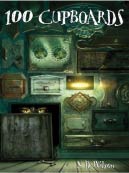
     By the way, ND Wilson writes children's adventure and fantasy novels. I met him at a conference last year - funny guy and a great writer. I've read a couple of his books. There is the 100 Cupboards trilogy, a story about a boy who discovers mysterious cupboards in his room and they turn out to be portals into other worlds. If you like the Chronicles of Narnia by CS Lewis then you will also enjoy the 100 Cupboards series. It's a great book for children as well as for grown-ups. And then there's Notes From The Tilt-A-Whirl which he describes as "a narrative nature of the world and the personality of the Poet behind it all." He has this gift of looking this world a little bit differently than we do in order to show how colorful and wonderfully complex our great God is and he writes it all down in this book. He also recently wrote about the relevance of stories in this post from Desiring God : Stories are Soul Food : Don't Let Your Children Hunger.

Tuesday, October 11, 2011

Skies and Landscapes

I was reflecting on Psalm 19:1-7 tonight. I also happened to come across this video from a blog and I marvel at how it perfectly captures the reflections of the Psalmist.

The heavens declare the glory of God, and the sky above proclaims his handiwork.
Day to day pours out speech, and night to night reveals knowledge.
There is no speech, nor are there words, whose voice is not heard.
Their voice goes out through all the earth, and their words to the end of the world.
In them he has set a tent for the sun, which comes out like a bridegroom leaving his chamber, and, like a strong man, runs its course with joy.
Its rising is from the end of the heavens, and its circuit to the end of them, and there is nothing hidden from its heat.
-Psalm 19:1-7 (ESV)


Landscapes: Volume Two from Dustin Farrell on Vimeo.

    This is what the heavens are proclaiming everyday, 24x7, and it never stops declaring the glory of its Creator. This is what they were made for. This is their ministry: to communicate to us that there is a God.

    What about you and me? Perhaps we're preoccupied with building our own glory and kingdom. Hence, we're too busy to notice the infinitely glorious majesty of God that is being spoken out around us at each moment. Stop looking at yourself. Nothing good and glorious is in there. Look around you. Look up to the skies. Notice the blinding light from the sun and feel the heat that it generates. That's the handiwork of God.

    Now join with the heavenly chorus!

Saturday, October 8, 2011

Good Works in the Christian Life


Photo by stevendepolo
 The theology on good works is clear. We are not saved by our good works.

For by grace you have been saved through faith. And this is not your own doing; it is the gift of God, not a result of works, so that no one may boast.
-Ephesians 2:8-9 (ESV)

All our self-initiated good works are dead works (Hebrews 6:1). It profits us nothing. The good news is that as Christians, we are created to do good works and they count for something!

For we are his workmanship, created in Christ Jesus for good works, which God prepared beforehand, that we should walk in them.
-Ephesians 2:10 (ESV)

Good works prove that our faith in Jesus Christ is authentic.

What good is it, my brothers, if someone says he has faith but does not have works? Can that faith save him? If a brother or sister is poorly clothed and lacking in daily food, and one of you says to them, "Go in peace, be warmed and filled," without giving them the things needed for the body, what good is that? So also faith by itself, if it does not have works, is dead.
-James 2:14-17 (ESV)

There's more to it. Why were we created in Christ to do good works? What is the purpose? From the book What is the Mission of the Church, authors Kevin DeYoung and Greg Gilbert explain the motivations behind good works in the Christian life.

Here's the summary including notable quotes and related Scripture passages :

1. We Do Good Works to Obey God, Whom We Love (1 John 5:3, 1 John 4:19)

"At the end of the day, God commands us to do good works and live godly lives."

2. We Do Good Works Because We Love Our Neighbors (Matthew 5:43-45, Matthew 22:36-40)

"We as Christians should be marked by a posture of love and generosity toward our neighbors, and that includes everyone, according to Jesus, from our best friends to our worst enemies."

3. We Do Good Works to Show God's Character and God's Work.

"When we approach the world with a posture of love and generosity, our good works provide a powerful confirmation of our declaration that "God is love." They show the world the we really mean what we say, and they make it just that much more plausible the God is really there and that his influence in our lives is real, powerful, and different from anything else in the world."

4. We Do Good Works Because They Are the Fruit of the Spirit's Work In Us (Matthew 7:16-20)

"Simply put, apples grow on apple trees, oranges grow on orange trees, and good works grow on Christians."

"It's not that good works are in the root of the tree; they're not the thing that makes the tree what it is. They're not the ground or the basis of our standing with God. But if we are truly redeemed through the blood of Christ, if the Holy Spirit truly dwells in us, then we will be a people who bear fruit in good works."

5. We Do Good Works to Win a Hearing for the Gospel

"Christians, as we've seen, are to love the whole person, and therefore it makes perfect sense to love someone by giving him food and at the same time to love him in a different, higher way by giving him the gospel."

So don't grow weary in doing well. Keep up the good work!

Thursday, October 6, 2011

JOHN PIPER|Thankful for the Love of God! Why?


From John Piper's sermon on the love of God :
"Have you taken the American definition of love - being made much of - and so twisted God to fit that definition so that now the only way you would feel loved by God is if he makes much of you? When in fact, the love of God is so working as to change you so that you enjoy making much of him forever and ever and ever. And that's the end of your quest. There is not anything beyond it."
"You are being tricked, many of you, into thinking that the satisfying thing in life is to be made much of. If I could just get some people to clap for me, to like me, to approve of me, to give me a raise or to give me an advancement, if I could just get someone to pay attention to me, I would be satisfied. You wouldn't. I promise you. In the name of Jesus Christ Almighty, you wouldn't. You will be satisfied when you forget yourself and are swallowed up in Jesus Christ, and he becomes your treasure and your delight and what you cherish and what you value and what you spend the rest of your eternity growing in your capacity to see and savor - to know and delight in him forever and ever - and it will get better and better and better."


LINK: Thankful for the Love of God! Why?

Tuesday, September 27, 2011

God and Our Big Hairy Audacious Goals

    Phil Vischer was the CEO of Big Idea Productions and the creator of Veggie Tales, a computer animated show that teaches Biblical and moral lessons. The main characters are fruits and vegetables. The show was a hit with parents and kids. My two boys grew up watching, laughing, and singing along with Larry the Cucumber, Bob The Tomato, and 3-2-1 Penguins. We still have Veggie Tales videos in our collection.

    In his blog, Phil said that Big Idea Productions grew by 3300% in revenue, from $1.3 million to $44 million between 1996 and 1999. Dreaming big and bold, Phil had this Big Hairy Audacious Goal (BHAG) of becoming the next Walt Disney - a Christian Disney. However, great ambitions often go wrong especially when fueled by self-centered and prideful motivations. By early 2000, the company was in financial trouble and eventually filed for bankruptcy in 2003.

    Phil admits that his decisions as CEO led to the company's difficulties. Phil says in his blog,
I have seen the enemy, and he is me. My strengths built Big Idea, and my weaknesses brought it down. Throughout Big Idea's history, my business instincts were generally quite good. But I had no experience managing people or leading teams to accomplish goals....As VeggieTales took off, I became terrified that my business inexperience and lack of people skills would result in Big Idea's failure. So, in a panic, I brought in others to help, often spending far too little time getting to know them before or after the hire. I then backed down from my own convictions, assuming that an executive with an impressive resume surely knew better than a Bible college dropout. And I launched projects like Jonah before we were really ready to handle them, assuming we'd figure things out on the fly as I had done in the basement and with the very first VeggieTales episode. The result was some amazingly rabid fans, and absolute organizational chaos. The result was the rise – and fall – of Big Idea.
Dreams are powerful but we often confuse our dreams with God's will. As a result, we fail to see that God will lead us in a completely different, but far better, direction. Our dreams therefore can become our god or idol and it's a very cruel taskmaster. It deludes us into thinking that the end justifies the means. We'll do everything we can : sacrifice, compromise our values, neglect our families, and even commit sin, in order to meet our goals. We expect that success will ultimately make everything ok. Yet all that hard work and effort only ends in pain, hurt, and tragedy.

    I'm not saying that you should not have dreams, ambitions, and even BHAGs. I am saying that your dreams are never divorced from God's revelation and holiness. Don't make the mistake of making grand plans for God and asking God to join you and bless your quest. The cry of the Christian is always, "Let Your will be done"! Wherever God leads you, that is where you go.

    Today, Phil has a new company called Jellyfish Labs and shares what he learned from running Big Idea,
First, our relationships with God are much more important than our work for God. God doesn’t want us to be “busy,” he wants us to be available. He doesn’t want us to focus on “impact,” he wants us to focus on obedience. If we’re walking with Him, we’ll know when He has something specific for us to do. We don’t need to make stuff up. If we’re so wrapped up in the work we’re doing for God that we can’t even make eye contact with the person bagging our groceries, something in our lives is way out of whack.
Second, to be a Christian is to give Christ “lordship” of our lives. That’s what it means. He’s Lord, we’re not. And if we’ve given Christ lordship of our lives, where we are in 20 years is, frankly, none of our business. Where we are in 5 years is none of our business. What is our business, is what God has told us to do today, and whether or not we’re doing it. That’s it.
    Even when meant for good, ambitions and dreams that exalt self must die. That's why God whacks us into submission and makes us fall flat on our backs so that we will discover that God Himself, His love, mercy, and grace is far better than what life and opportunities in this world have to offer.

Wednesday, September 7, 2011

The Red Sea Places of Your Life

    Many are familiar with the story of Moses leading the people of Israel in crossing the Red Sea. However, it's easy to overlook important details. That's what usually happens with spectacular stories like this: we remember details of the climax but miss the whole point of the story.

    The narrative is found in Exodus 14. Here's the overlooked details :

1. God deliberately sets up the action.


Then the LORD said to Moses, "Tell the people of Israel to turn back and encamp in front of Pi-hahiroth, between Migdol and the sea, in front of Baal-zephon; you shall encamp facing it, by the sea. For Pharaoh will say of the people of Israel, 'They are wandering in the land; the wilderness has shut them in.' And I will harden Pharaoh’s heart, and he will pursue them, and I will get glory over Pharaoh and all his host, and the Egyptians shall know that I am the LORD." And they did so.
-Exodus 14:1-4 (ESV)
    The context shows the motivations of God. Exodus 13:17-21 tells that there was a shorter way to the promised land but that route would bring them into Philistine territory. That would mean engaging in war and God knew that Israel wasn't ready to wage battle. So God leads them into the wilderness going towards the Red Sea. He led them by day in a pillar of cloud and in a pillar of fire by night.

     God specifically tells Moses to encamp at an area by the sea. Why? The Lord wanted to set a trap that would destroy the Egyptian army so that He gets the glory and when the Egyptians will hear of the defeat of their army, they will know that "I AM" is the one true, living God.

Tuesday, September 6, 2011

Christianity Explored - including the tough questions

    This is a great website to learn about Christianity. It explores the core message of the Christian faith and answers some of the tough questions that skeptics have raised and believers have struggled with through time. This site also includes stories of how people have come to faith in Christ from different cirumstances in life.

    If you've been curious about Christianity then start your investigation from this website. This is also a great resource for those who want to brush up on the basics.

Go to the website : Christianity Explored

Monday, September 5, 2011

Reflections on the Greatest Commandment

Jesus replied: "Love the Lord your God with all your heart and with all your soul and with all your mind." This is the first and greatest commandment.
-Matthew 22:37 (NIV)

    Can we be commanded to love God? It would seem that being commanded to love is like being forced to love. We all know from human experience that true love can't be coerced. So why does God command us to love him with our whole being? Shouldn't love be freely given and not demanded?

    The reality is that in our natural state we would choose not to love God. Even if He were to suddenly appear before us we still wouldn't love him. In Romans 1:18-32, Paul says that God has made himself known plainly to man ever since the creation of the world. Man considered God and judged that God is unworthy to be loved.

   We do this in two ways :

1. We do not honor God as God nor worship Him. (Romans 1:21)

2. We exchanged the truth for the lie and worshipped the glory of the creation over the the glory of the Creator (Romans 1:25). We would rather love the world, ourselves, or a god of our own making.

So we have to recognize that this command reveals that human nature is fallen. We cannot just decide one day to flip an inner switch and start loving God. We don't have that capacity in our natural state.

    The thing is God knows this. We can never obey this command unless our nature is radically transformed. The apostle John said that everyone who loves has been born of God and knows God and conversely, whoever does not love does not know God, because God is love (1 John 4:7-8). The work that God makes in the new life that is received through faith in Jesus Christ makes it possible for us to love God (and also love others) with all our our heart, soul, and mind.

    How?

    John Piper explains,
"The most immediate and decisive work of God in the new birth is that the new life he creates sees the superior value of Jesus over all else (2 Corinthians 4:4-6). And with no lapse of time at all, this spiritual sight of the superior value of Jesus results in receiving Jesus as the Treasure that he is. That is faith: receiving Jesus for all that he is because our eyes have been opened to see his truth and beauty and worth."

   
    That's the key. We cannot see the truth about God. We cannot see the infinite value and beauty of Jesus Christ. God has to do something in us so that we will see that loving Jesus is better than loving the world, better than loving ourselves, and better than worshipping our man-made gods. We are able to love God because God first loved us. We cannot love him without his love being poured into our hearts (Romans 5:5) and without his mercy that looked beyond our fault (Ephesians 2:4-5).

    So we are not forced to love God, rather because God's love is in us, it is now in our nature to love God. Because now we see Christ as the precious treasure that he is, loving God with all our heart, mind, and soul becomes our passion and our delightful duty.

Saturday, August 27, 2011

Here is Love - a hymn

God's love is so infinite, words can't do justice to fully describe it. Yet we see divine love in action through Jesus' sacrifice on the cross. How can we live if we forget what manner of love the Father has given to us? May this hymn help us remember.


Here is love vast as the ocean,
Loving kindness as the flood,
When the Prince of Life, our ransom
Shed for us his precious blood.
Who his love will not remember,
Who can cease to sing his praise?
He can never be forgotten
Throughout heaven's eternal days.

On the mount of crucifixion
Fountains opened deep and wide,
From the floodgates of God's mercy
Flowed a vast and gracious tide.
Grace and love, like mighty rivers
Poured incessant from above
And heaven's peace and perfect justice
Kissed a guilty world in love.

Sunday, August 21, 2011

"Crazy Love"

    I found Francis Chan's book, "Crazy Love", three years ago as I was searching online for Bible study material that I could use for our small group. Up to that time, I've never heard of Francis Chan but I became curious and wanted to find out more about him because he was of Asian descent and because my mother's maiden name was also Chan. At one point, I wondered if he was a distant relative.

    Little did I know that God would use this book to wake me up from religious complacency. Francis Chan wrote like a prophet. He accurately describes a common spiritual malaise experienced by many Christians today - a "half-hearted, distracted, partially committed, lukewarm" kind of Christianity. That was me. I was a regular churchgoer, tither, and ministry leader. I lived a good and moral life. My life outside work revolved around involvement in many church programs and activities. But I did not truly enjoy God nor fully love Him. I thought that I did. My works seemed to show that I did. But when I examined and looked honestly inside me, I knew that I didn't. Don't get me wrong, I believed in Jesus Christ but I found it too hard to live this faith consistently. It was frustrating!

God used the book to show me what I was missing :

1. I had an inaccurate view of God.

   Francis Chan admits that he grew up believing in God without having a clue what He is like.
I called myself a Christian, was pretty involved in church, and tried to stay away from all of the things that ''good Christians" avoid -drinking, drugs, sex, swearing. Christianity was simple: fight your desires in order to please God. Whenever I failed (which was often), I'd walk around feeling guilty and distant from God. In hindsight, I don't think my church's teachings were incorrect, just incomplete. My view of God was narrow and small. 
-Crazy Love, p. 20

My experience was the same. The Bible shows us that we have an amazing, awesome, eternal God who loves us with an eternal, outrageous love. God loved us rebels and we are unworthy of his love. But God relentlessly pursued us to reconcile us back to himself through Jesus Christ his Son. I did not fully understand this in my life, hence my awe factor of God was small. I was living a "works righteousness" Christianity by generating a righteousness thru my own strength and effort so that God would approve of me. I thought that's how God loved me. Hence, I missed God's tremendous worth and power in saving me from the very thing that I was doing. I lacked the Biblical understanding of his grace. My inaccurate view of God and his love led me to miss the true meaning of the gospel.

2. I assumed that I was good soil.

   The concept comes from the parable of the sower that Jesus told (Mark 4) and also in a simile by the author of Hebrews (Hebrews 6:7-8). In college, I was a student leader with Campus Crusade for Christ. I led Bible studies and organized mission trips. I was actively involved in church. I experienced blessings from God but that did not necessarily prove that my heart was a good soil that produced good fruit. Instead of fruit, I was producing thorns and thistles and I was choking. Thorns are anything that distract us from God and chokes the fruit of righteousness that grows out of faith in Jesus Christ. We're choked by too much of the good life. This is especially true in the Western world where people are able to earn higher income and enjoy the blessings that come with economic prosperity. This comfortable lifestyle ends up becoming toxic by making us complacent. We become the sort of Christians that love and obey God so long as he doesn't impinge on our lifestyle. All this talk about radical Christian living, self-denial, taking your cross, self-sacrifice, and suffering for the gospel are major turn-offs. We'd rather hear preachers and read books that teach us how to be more comfortable, influential, and successful and have God be a benefactor of all these niceties of life.

    I was glad that the Holy Spirit had removed the scales in my eyes such that I could see my spiritual condition. Logically, the next question for me was,"What must I do?" It was through this book that I got introduced to John Piper. Francis Chan quotes him,
The critical question for our generation-and for every generation-is this: If you could have heaven, with no sickness, and with all the friends you ever had on earth, and all the food you ever liked, and all the leisure activities you ever enjoyed, and all the natural beauties you ever saw, all the physical pleasures you ever tasted, and no human conflict or any natural disasters, could you be satisfied with heaven, if Christ was not there?
-Crazy Love, p. 100

That question penetrated deep down my soul and exposed where my affections lay. The antidote to lukewarm, selfish, comfortable living is love. Francis Chan writes,


And isn't that what God wants of us-to crave this relationship with him, as we crave all genuine love relationships? Isn't that what brings him glory- when believers desire him and are not merely slaves who serve him out of obligation?
There is often a great disparity between how we feel about faith and how we are meant to feel. Why do so few people genuinely find joy and pleasure in their relationship with God? Why do most people feel they have to either pay God back for all he's done (buy his love) or somehow keep making up for all their inadequacies and failures (prove their love)?
-Crazy Love, p. 101

Because it's in our nature to always want to be in control of everything, we try to control even our faith. We try to muster more love for God and end up loving him out of obligation. Living this way, makes Christianity a boring, guilt-ridden chore!

    I recall praying something like this :

God I need you to help me to love you. I need your help to love my wife, children, parents, siblings, and my friends genuinely. From now on, I want to pursue loving you and delighting in you. Show me how awesome you are. Open the eyes of my heart to see how wide, how deep, and how great is your love for me.
   Right around that time, I started blogging. My first post was a reflection of his bigness as told by the universe that He created. The second post was my futile attempt at measuring his love that had no bounds. The third post was a listing of who I am in Christ - something I first learned way back in my days with Campus Crusade for Christ and one that I must remind myself daily. These were my first steps to falling in love with Jesus Christ to depths that I have never experienced before.

   Gradually, comfort was no longer living the good life but tasting and seeing that the Lord is good! Delight was no longer just a day at the movies or at an ice cream shop but became meditating on the Word of God regularly, wanting to know more of God and his infinite worth. I became dissatisfied with settling for less on Sundays : sermons that make God seem small and man big, a worship experience that seems to say to God, "Lord watch me worship you, you're gonna like it," rather than exalting God's majesty and greatness. For the past three years, I have seen this law at work : if I replace Jesus with something or someone else of lesser value, I will never be truly satisfied.

   On second thought, I am related to Francis Chan through our faith in Jesus Christ. We're brothers!

Wednesday, August 17, 2011

God's Love and Your Obedience

If you keep my commandments, you will abide in my love, just as I have kept my Father’s commandments and abide in his love. These things I have spoken to you, that my joy may be in you, and that your joy may be full.
-John 15:10-11 (ESV)


   Jesus' love precedes our love for him and we know this in Scripture (1 John 4:19). Abiding or remaining in his love is linked to our obedience. Now this connection may not be obvious. The key is in recognizing that a Christian's relationship with God is the same as the Son's relationship with the Father.

    A true Christian enjoys a loving relationship with God with the same kind of affection that the Father and his Son have with each other. God's love creates in us a desire to obey his commandments with the same gladness and willingness as the Son obeys the Father. The by-product of this relationship is joy to the fullest. What kind of joy? The same joy that Jesus has with the Father. This is the nature of our relationship with God. And we have it through faith in Jesus Christ.

    Hard to believe isn't it? Sounds impossible, you may think, as you look at the mess in your life. Maybe not. God's gift of salvation is infinitely lavish in accord with his glory and majesty! God does not give cheap gifts. The apostle Paul says this,

He who did not spare his own Son, but gave him up for us all—how will he not also, along with him, graciously give us all things?
-Romans 8:32 (ESV) 

Two implications, one is a call to self-examination of your Christianity and the second is a clarification of your Christian identity.

1. God's love is not in you when your Christianity does not culminate in practical righteousness.
And by this we know that we have come to know him, if we keep his commandments. Whoever says "I know him" but does not keep his commandments is a liar, and the truth is not in him, but whoever keeps his word, in him truly the love of God is perfected. By this we may know that we are in him: whoever says he abides in him ought to walk in the same way in which he walked.
-1 John 2:3-6 (ESV)

    Alexander MacLaren commented, "We are tempted to make too much of the emotions of the religious life and too little of its persistent, dogged obedience." When we only seek the "spiritual high" on Sundays and prefer not to listen to sin-convicting, weighty sermons but only uplifting sermons that make us feel good, how can we learn how to live in righteousness? If we neglect the pursuit of holiness and tolerate the presence of "small, respectable" sins in our daily living, can we truly say that we're Christians? Unless your life backs it up, your public demonstrations of your love for Jesus are in vain.

2. The reality of God's love in you shows in how you live your life.


   John Piper says that when you experience God's love in your heart, you will renounce all known attitudes and behaviors that contradict this demonstration of love to you. Righteousness is attained first by faith then by love. We come to know and believe that God loves us, we love him in return, and love is perfected when we keep his commandments. Some Christians are frustrated that they are struggling in sin and hence, wonder about the reality of their faith. Yet this is exactly how the love of God works in us. We will hate the presence of sin in our lives, we will get rid of sin's entanglements, we will resist the enemy, and we will strive to obey the commands of Jesus Christ.

  So where do you think you stand? Does your Christian life affirm the love of God or does it confirm the absence of divine romance?

Sunday, July 31, 2011

Perspective on Failure Part 2 - Why We Crash and Burn

    My last blog post was a brief perspective on failure from Dave Harvey's book, Rescuing Ambition. I've been reflecting on this recently because of a recent instance of failure in my life. A paper that I thought would surely be accepted for presentation in a conference was soundly rejected. Now, it's not a moral failure (thank God!) and it's really a minor setback. I've had bigger screw-ups! But I admit that it bruised my ego. Prior to this, I've had a 100% acceptance rate in all the technical papers and abstracts that I've submitted. I've presented in past conferences and even won a "Best Presentor" award at one point. This was my first rejection and it was humbling. My co-authors, who are colleagues at work, also received the notice of rejection so it was an awkward moment for all of us and especially for me because I was the lead author.

    So in times like this, we go to Scripture. How does God use our failure for His glory? Do failures really have a place in his plan? How does Jesus' sacrifice and victory on the cross rescue us from our failures?

Saturday, July 30, 2011

Perspective on Failure

Pastor Dave Harvey's perspective on failure :

"...if God is truly sovereign, there must be a place for our failure in his plan. From Genesis to Revelation, the Bible declares God's supreme control over events. If he can't work through our screwups, he's guilty of false advertising."

"Failure isn't simply God's nightstick to whack us into submission. It's an experience where we can discover God's love, his irresistible grace, and the true potency of the gospel. But to get to those discoveries, we must see failure as the place where some ambitions go to die so other things might come alive."

-Quoted from the book Rescuing Ambition